
Evaluate the factory in six areas: real production evidence, model-specific specifications, configuration control, quality checks, export preparation and after-sales communication. A low quotation is not useful if the included handles, documents, warranty or support route remain unclear.
1. Ask for real factory and production evidence
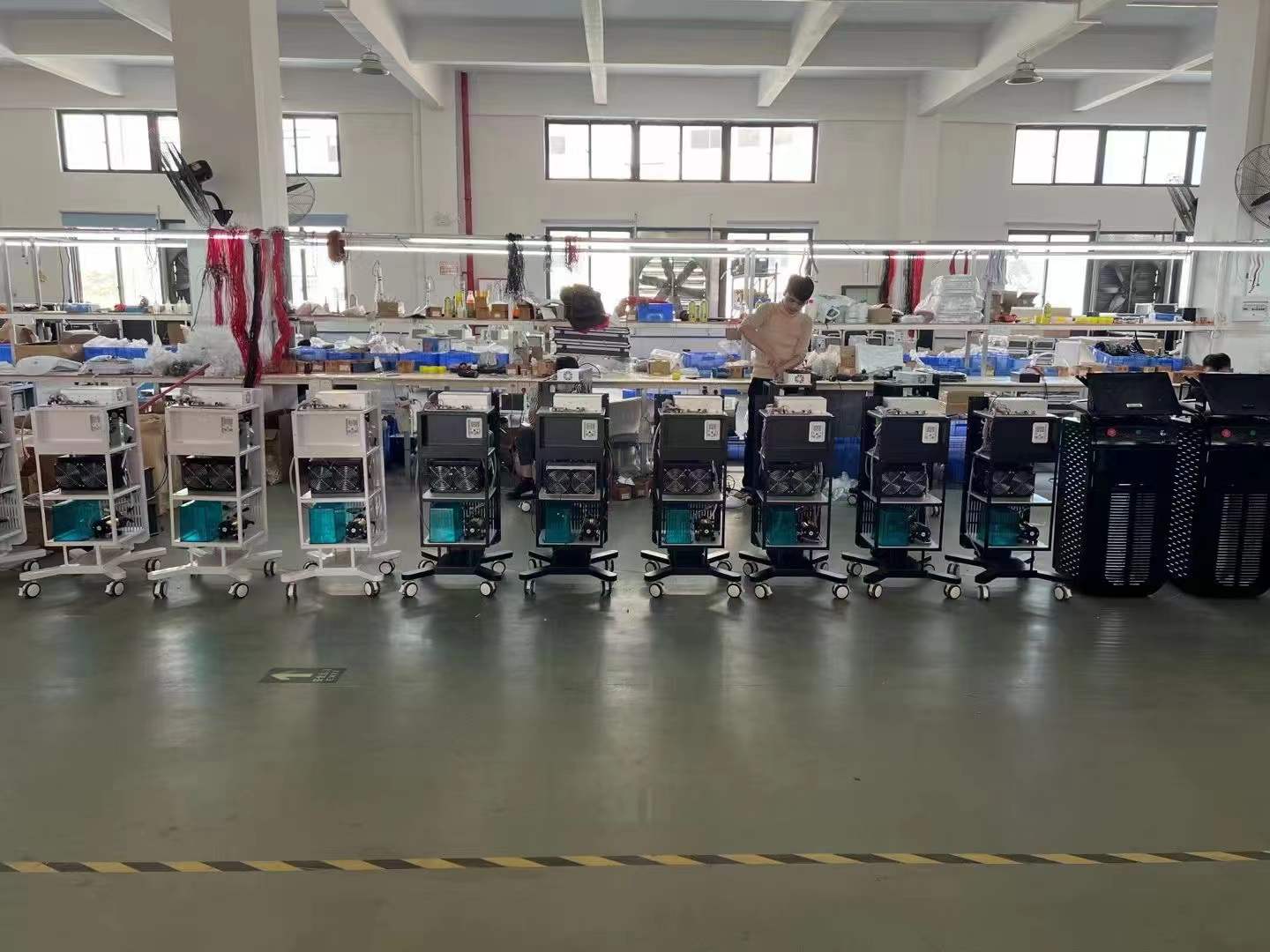
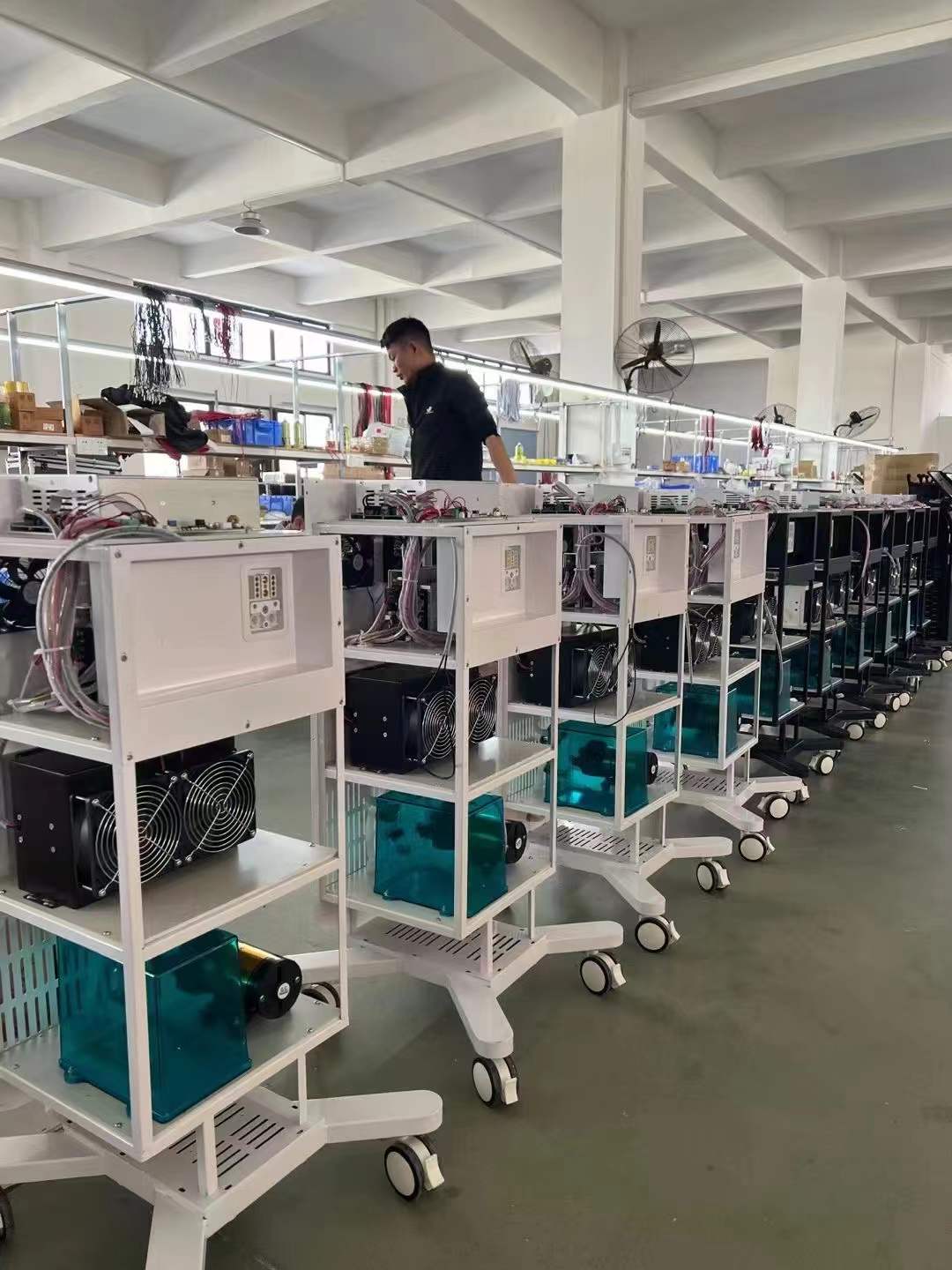
Request recent photographs or video showing the assembly floor, machines in batches, internal work and shipment preparation. Look for consistent surroundings and repeatable activity rather than a few showroom images.
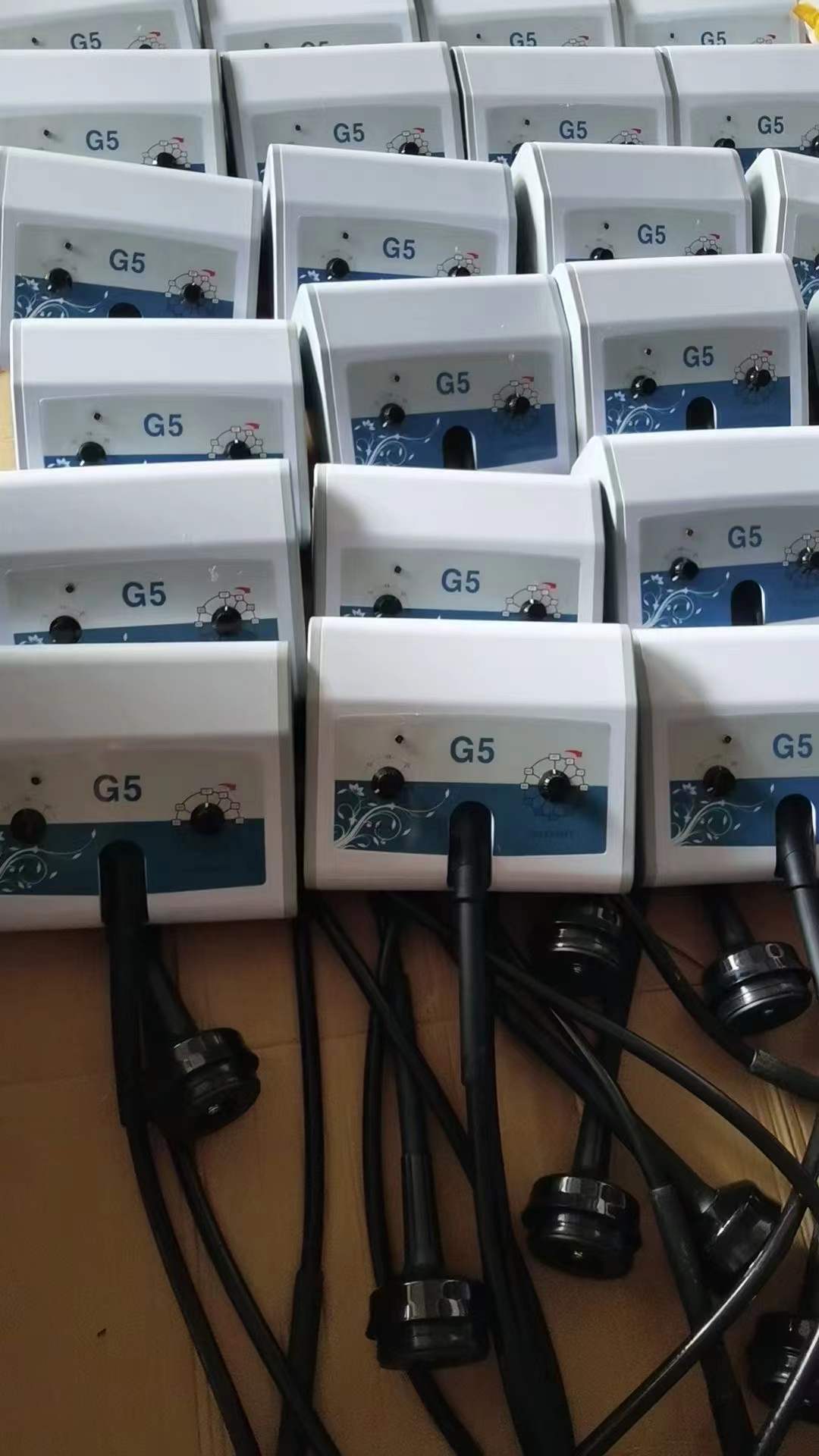
Factory evidence does not prove every quality claim, but it helps confirm that the supplier has an operating production environment. BY BEAUTY publishes real production, function-setup and packing images from its Guangzhou facility.
- Factory location and working areas
- Assembly or configuration activity
- Batch machines and accessories
- Packing and loading records
2. Confirm the exact product configuration
The same case can be sold with different handles, software, voltages and accessories. Ask the supplier to connect the model number to a written configuration list and packing list.
For customizable machines, confirm which changes are standard and which require new development. Logo, language and interface changes are different projects from a newly designed case.
3. Review specifications and documents by model
Do not accept a general certificate folder as proof that every machine is covered. Certification status should be checked for the exact model and destination requirement. Electrical specifications, plug type and available documents should appear in the quotation or order confirmation.
4. Understand the quality-control checkpoints
A practical process includes component review, assembly, configuration, function checks, appearance review and packing verification. Ask what evidence can be provided for your order and how a reported issue will be diagnosed.
Avoid absolute promises such as zero failure. A better signal is a clear troubleshooting process supported by photos, video and responsive technical communication.
5. Check packing, warranty and after-sales support
Confirm packing dimensions, gross weight, packing type and the logistics route before comparing landed cost. Ask whether the quotation includes flight cases, wooden cases or cartons.
Warranty terms should distinguish the main unit from accessories. BY BEAUTY's standard policy is one year for the main unit and three months for accessories, subject to the confirmed quotation. Remote video training and troubleshooting are available.
6. Judge whether the supplier fits long-term distribution
A distributor needs more than one shipment. Review the supplier's ability to support Exclusive Design, approved sales media, training, spare-parts discussions and future model selection. The best partner is one whose processes match your market, channel and service capability.
- Clear quotation and packing list
- Model-specific media and information
- Defined customization approval process
- Reliable contact for technical issues
Discuss your product and market requirements
Share the destination, target buyers, preferred technology and expected quantity. BY BEAUTY can then recommend relevant models, customization options and a quotation path.
Request Information